What is Qi Gong +
A Brief History of Qi Gong
In the mid-twentieth century, the term “Qi Gong” was adopted as a modern umbrella name to bring these varied methods together. This made it easier for hospitals, community programs, and the general public to learn and teach the practices in a clear, organized way. Today, Qi Gong is used around the world in medical settings, community centers, wellness programs, and everyday life because it is low risk, adaptable, and supportive for people of all ages and abilities.

Chronic Health conditions
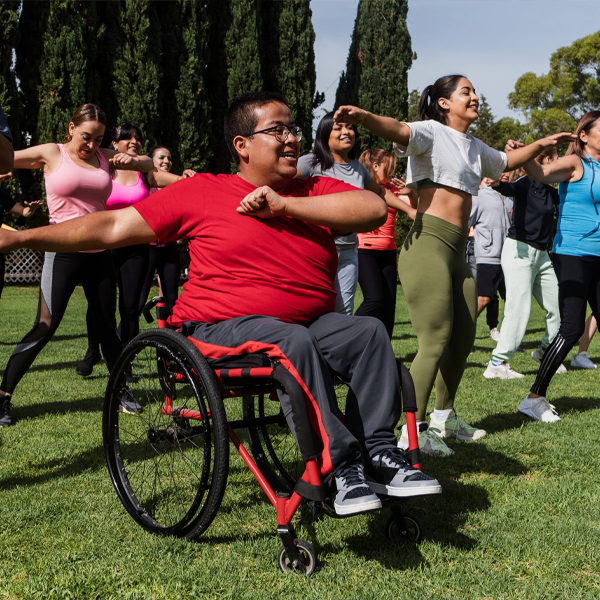
Qi gong is recognized within the United States health system as a complementary, medically low‑risk mind–body practice that can support adults living with chronic physical or emotional conditions. Large health agencies have studied Qigong for chronic conditions—including hypertension, chronic pain, heart‑related risk factors, and mood concerns and shows it can serve as a supportive, accessible option for people managing long‑term health challenges. Qi Gong offers a way to cultivate steadiness, resilience, and a sense of inner resource alongside conventional care. The reports show low rates of adverse events when the practice is adapted to individual abilities.
Leading Cancer Centers and Health Systems Recognizing Qi Gong as a Supportive Wellness Practice
The following institutions have publicly recognized, offered, studied, or included Qi Gong within integrative medicine, supportive oncology, survivorship, or wellness programs for individuals affected by cancer.
- Memorial Sloan Kettering Cancer Center
- Dana-Farber Cancer Institute
- MD Anderson Cancer Center
- Mayo Clinic
- City of Hope
- Yale New Haven Health / Smilow Cancer Hospital
- Cleveland Clinic
- UCSF Osher Center for Integrative Health
- Duke Integrative Medicine
- Stanford Center for Integrative Medicine
Why This Matters: Qi Gong is increasingly recognized as a complementary wellness practice that may support relaxation, stress management, emotional well-being, mindfulness, body awareness, and quality of life for people living with and beyond cancer. Leading cancer centers, health systems, and integrative medicine programs have incorporated Qi Gong and related mind-body practices into supportive care, survivorship, wellness, and patient education programs.
Qi Gong is not a treatment for cancer. It is a complementary wellness practice that may be used alongside medical care and supportive services. This list is an educational resource for community wellness and cancer-support programming that is available from current publications [June 2026].
General Wellness
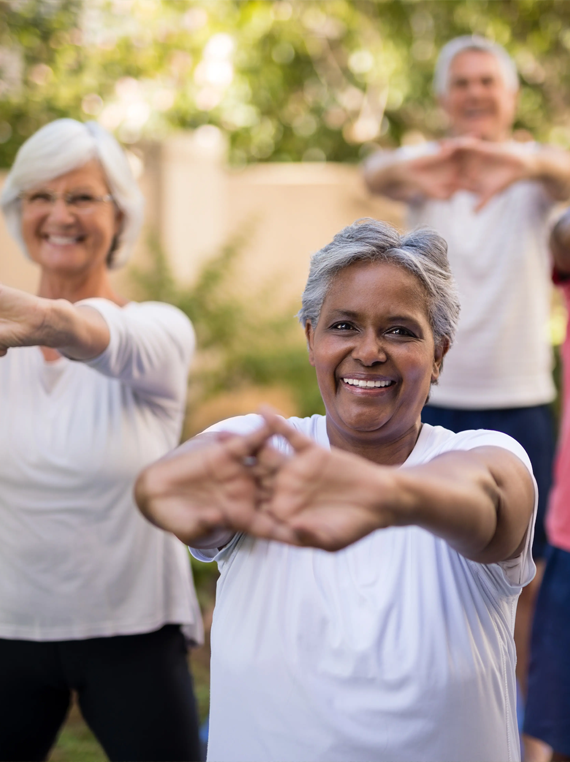
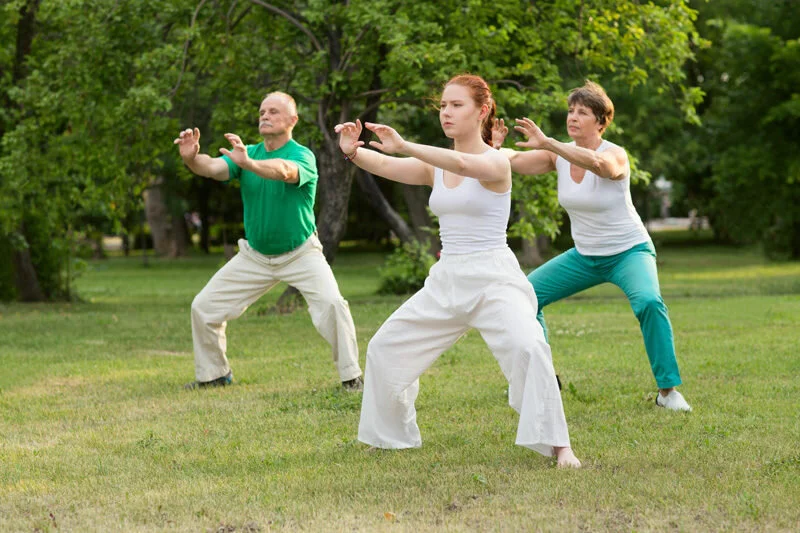
Qi gong+ can support long‑term wellness by strengthening regulation, improving day‑to‑day stability, and reducing the impact of chronic stress on the body. Research identifies Qi gong as a medically practice that can contribute to disease‑prevention efforts by reinforcing healthy movement, steady breathing, and consistent self‑awareness.
Easy Qi Gong+ A Curated Program for Cancer Support.
Those who are in treatment, their Caregivers and Survivors
Leading Cancer Centers and Health Systems Recognizing Qi Going as a Supportive Wellness Practice
The following institutions have publicly recognized, offered, studied, or included Qi Gong within integrative medicine, supportive oncology, survivorship, or wellness programs for individuals affected by cancer.
- Memorial Sloan Kettering Cancer Center
- Dana-Farber Cancer Institute
- MD Anderson Cancer Center
- Mayo Clinic • City of Hope
- Yale New Haven Health / Smilow Cancer Hospital `0op-
- Cleveland Clinic
- UCSF Osher Center for Integrative Health
- Duke Integrative Medicine
- Stanford Center for Integrative Medicine
Why This Matters: Qi Gong is increasingly recognized as a complementary wellness practice that may support relaxation, stress management, emotional well-being, mindfulness, body awareness, and quality of life for people living with and beyond cancer. Leading cancer centers, health systems, and integrative medicine programs have incorporated Qi Gong and related mind-body practices into supportive care, survivorship, wellness, and patient education programs.
Qi Gong is not a treatment for cancer. It is a complementary wellness practice that may be used alongside medical care and supportive services. This list is an educational resource for community wellness and cancer-support programming that is available from current publications [June 2026].
Chronic Health conditions
Qi gong is recognized within the United States health system as a complementary, medically low‑risk mind–body practice that can support adults living with chronic physical or emotional conditions. Large health agencies have studied Qigong for chronic conditions—including hypertension, chronic pain, heart‑related risk factors, and mood concerns and shows it can serve as a supportive, accessible option for people managing long‑term health challenges. Qi Gong offers a way to cultivate steadiness, resilience, and a sense of inner resource alongside conventional care. The reports show low rates of adverse events when the practice is adapted to individual abilities.
General Wellness
Qi gong+ can support long‑term wellness by strengthening regulation, improving day‑to‑day stability, and reducing the impact of chronic stress on the body. Research identifies Qi gong as a medically practice that can contribute to disease‑prevention efforts by reinforcing healthy movement, steady breathing, and consistent self‑awareness.
The following institutions have publicly recognized, offered, studied, or included Qi Gong within integrative medicine, supportive oncology, survivorship, or wellness programs for individuals affected by cancer.
- Memorial Sloan Kettering Cancer Center
- Dana-Farber Cancer Institute
- MD Anderson Cancer Center
- Mayo Clinic • City of Hope
- Yale New Haven Health / Smilow Cancer Hospital `0op-
- Cleveland Clinic
- UCSF Osher Center for Integrative Health
- Duke Integrative Medicine
- Stanford Center for Integrative Medicine
Why This Matters: Qi Gong is increasingly recognized as a complementary wellness practice that may support relaxation, stress management, emotional well-being, mindfulness, body awareness, and quality of life for people living with and beyond cancer. Leading cancer centers, health systems, and integrative medicine programs have incorporated Qi Gong and related mind-body practices into supportive care, survivorship, wellness, and patient education programs.
Qi Gong is not a treatment for cancer. It is a complementary wellness practice that may be used alongside medical care and supportive services. This list is an educational resource for community wellness and cancer-support programming that is available from current publications [June 2026].